The Trump Effect: How the Current Administration Could Reshape the Real Estate Landscape

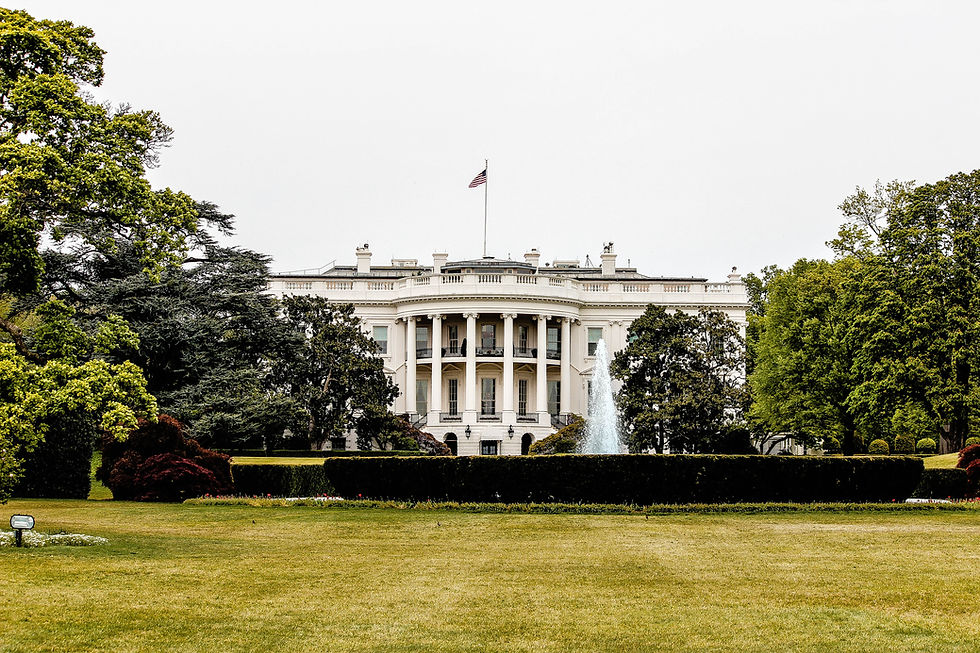
As real estate investors, we're always keeping an eye on factors that could impact our investments. One of the most significant influences on the market today is the current political climate under the Trump administration. Let's dive into how policies and proposals from this administration might affect the real estate market in the coming years.
Tax Reform and Its Implications
The Tax Cuts and Jobs Act of 2017 has already made waves in the real estate world. While the standard deduction has increased, potentially reducing the tax benefits of homeownership for some, there are still opportunities for savvy investors. The new 20% deduction on pass-through income for real estate investors could be a game-changer for those holding properties through LLCs or S-corporations.
Deregulation Efforts
The Trump administration has been vocal about reducing regulations across various industries, including real estate. This could lead to easier financing options and potentially lower costs for developers. However, it's essential to balance the benefits of deregulation with potential risks to market stability and consumer protection.
Infrastructure Spending
Promises of increased infrastructure spending could have a significant impact on real estate values. Improved transportation and public facilities often lead to appreciation in surrounding areas. Keep an eye on proposed projects in your target markets – they could signal upcoming growth opportunities.
Immigration Policies and Housing Demand
Stricter immigration policies could affect housing demand, particularly in areas with large immigrant populations. This might lead to decreased rental demand in some markets but could also create opportunities in others as population shifts occur.
Interest Rates and Federal Reserve Appointments
While the Federal Reserve operates independently, Trump's appointments to the board could influence monetary policy. Keep a close watch on interest rate trends, as they directly impact mortgage rates and, consequently, buying power in the real estate market.
Opportunity Zones
The creation of Opportunity Zones offers significant tax benefits for investors willing to put money into designated economically distressed areas. This initiative could spark revitalization in previously overlooked neighborhoods and create new investment opportunities.
Environmental Regulations
Changes to environmental policies could affect real estate development, particularly in coastal areas or regions prone to natural disasters. While relaxed regulations might reduce costs for developers, investors should consider long-term sustainability and potential future policy shifts.
Case Study: The Florida Market Consider the example of Miami, where strict immigration policies might reduce demand from international buyers, potentially cooling the luxury market. However, tax reform benefits and the creation of Opportunity Zones in nearby areas could offset this by attracting domestic investors and spurring development in previously overlooked neighborhoods.
What's your take on these potential changes? How are you adjusting your investment strategy in response? Share your thoughts in the comments below, and let's start a conversation about navigating the current real estate climate.


Comments